

Mala Bead Colors and Meanings: How to Choose the Right Mala
Mala bead color meanings are often presented as fixed rules, but they are not. Different traditions, teachers and sellers assign different meanings to the same color or stone. This guide explains the associations people commonly mention, shows where the evidence is weak, and gives practical advice for choosing a mala you will actually use.
Do Mala Bead Colors Have Official Meanings?
There is no single, universal chart. In Tibetan Buddhism, certain colors have well-documented symbolic roles in art and ritual. For example, the five colors white, blue, yellow, red and green are connected with the Five Wisdom Buddhas in many systems. A color on a mala does not automatically carry that meaning, because the beads may have been chosen for appearance, material or price.
When you read that a particular color "brings" luck, love or calm, treat the statement as a modern interpretation unless the source explains a tradition. A good personal approach is to choose colors you find calming, then give them a meaning of your own, such as patience or gratitude.
Common Color Associations
The table lists associations that appear frequently in jewelry and meditation contexts. They are general, and they do not replace the guidance of a teacher.
| Color | Commonly associated with | Typical materials |
|---|---|---|
| White / clear | Purity, clarity, a fresh start | Crystal, white jade, bone |
| Red | Energy, vitality, devotion | Red agate, cinnabar, coral |
| Yellow / gold | Confidence, prosperity, focus | Citrine, tiger's eye, yellow jade |
| Green | Growth, balance, compassion | Jade, aventurine |
| Blue | Calm, communication, spaciousness | Turquoise, lapis, aquamarine |
| Brown / dark wood | Grounding, simplicity, steadiness | Sandalwood, agarwood, bodhi seed |
Materials Often Matter More Than Color
For daily practice, the material often affects the experience more than the color. Wood and seed beads feel warm and light. Stone beads are heavier and cooler. Scented woods such as sandalwood and agarwood are valued for aroma, but scent varies and fades over time.
- Bodhi seed: a traditional, lightweight seed bead; its color deepens with handling.
- Sandalwood and agarwood: aromatic woods used for meditation and gifts; check the seller's description of origin and treatment.
- Jade and agate: polished stone beads in a wide range of colors; natural stones differ from bead to bead.
- Crystal: clear or lightly tinted beads; the appearance changes in different light.
If you want to understand how a mala is made, read our guide to the handcrafted mala bracelet.
How Many Beads Should a Mala Have?
A traditional mala has 108 beads, plus a larger guru bead where the two ends meet. Counting beads helps you keep track of repetitions without watching a clock. Shorter bracelets with 18 or 27 beads are also common, and they can be used for a smaller number of repetitions. Which size to choose depends on whether you want a meditation tool or a daily accessory.
For step-by-step instruction, see How to Use Mala Beads.
Mala Bracelets to Compare at KyLin Aura
These examples show how color and material combine in practice. The color notes below describe what the pieces look like, not guaranteed effects.
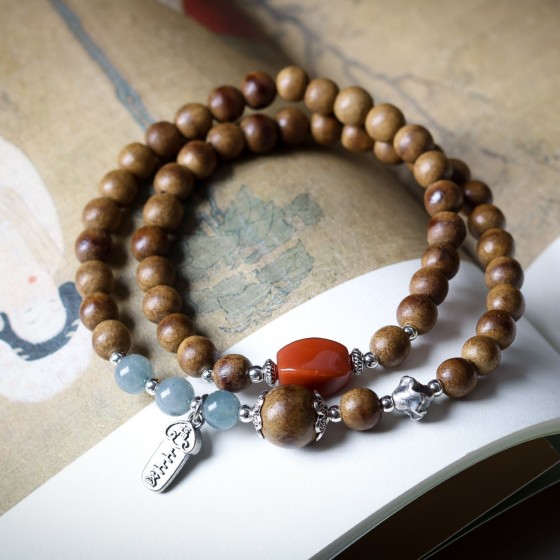
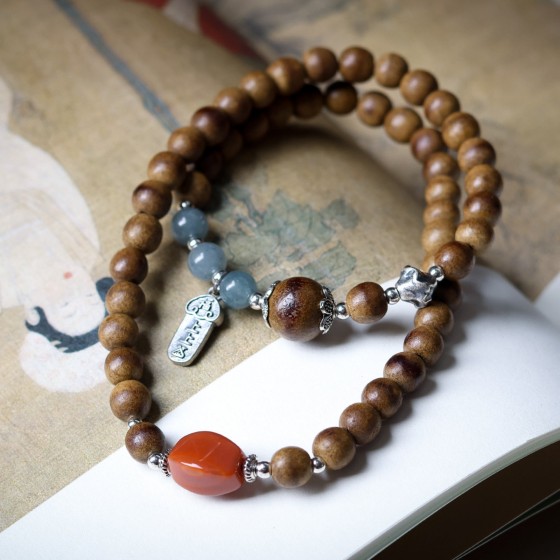
Agarwood & Red Agate Mala Wrap Bracelet
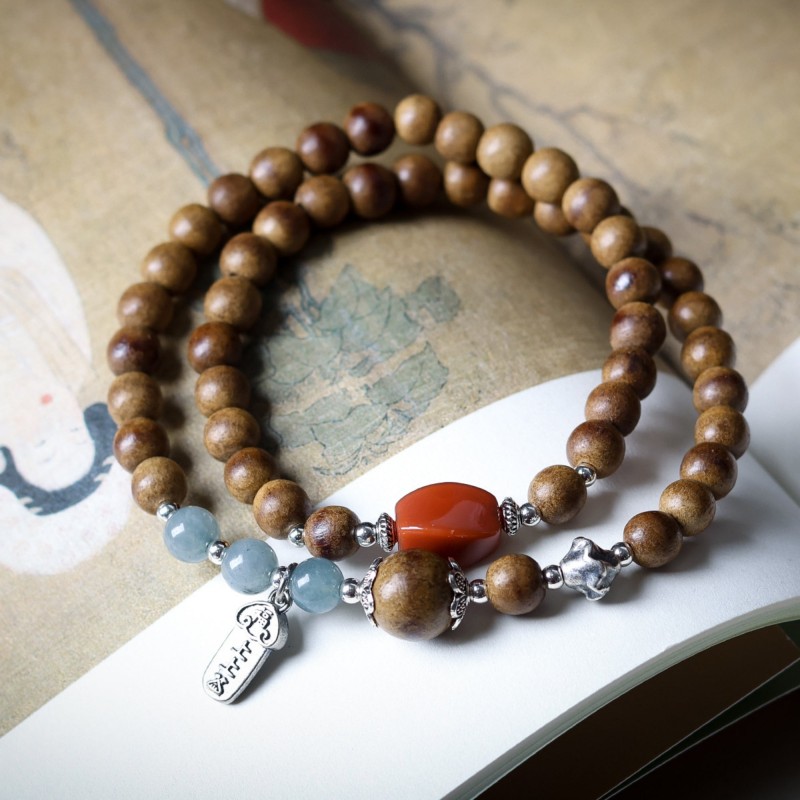
The Agarwood & Red Agate Mala Wrap Bracelet pairs dark wood beads with a red agate accent. It suits people who want a warm, earthy look with one bright color.
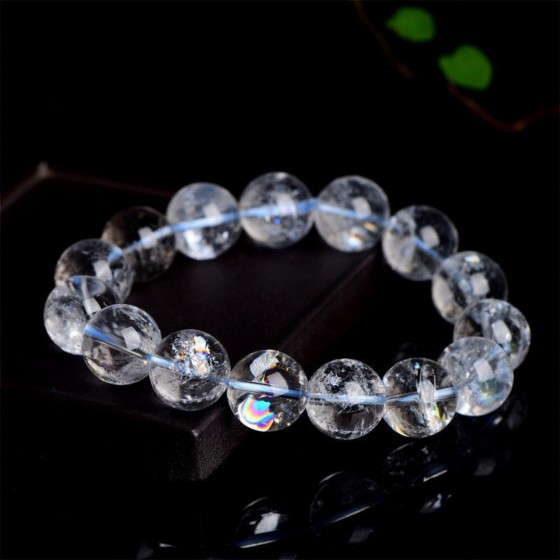
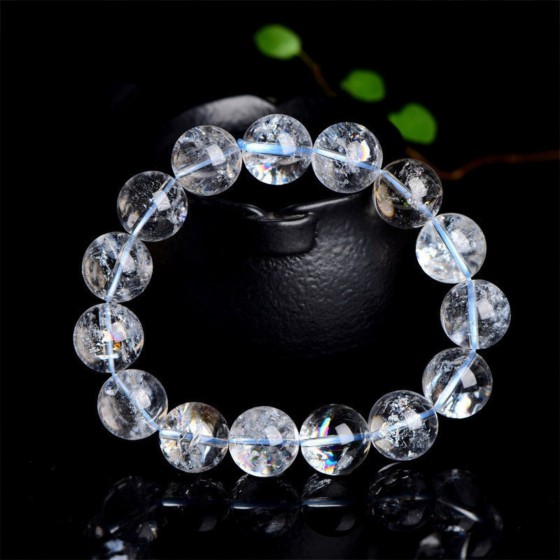
Natural Rainbow White Crystal Prayer Beads Bracelet
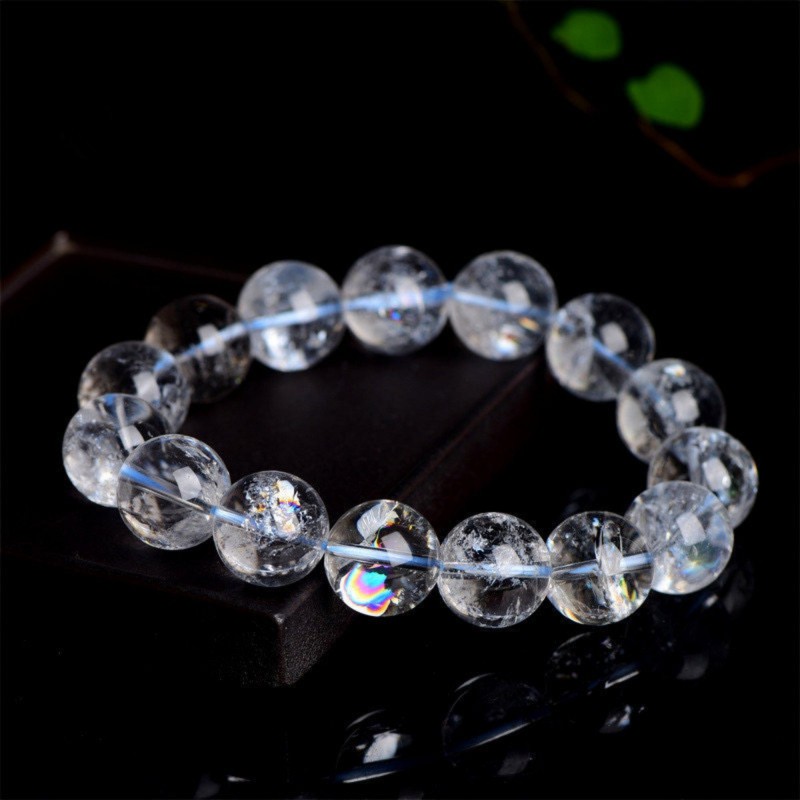
The Natural Rainbow White Crystal Prayer Beads Bracelet uses light, clear beads. Natural crystal can show internal lines, and the appearance changes with lighting.
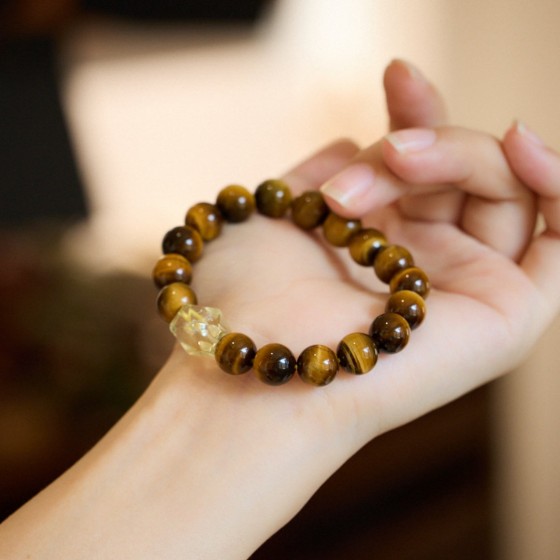
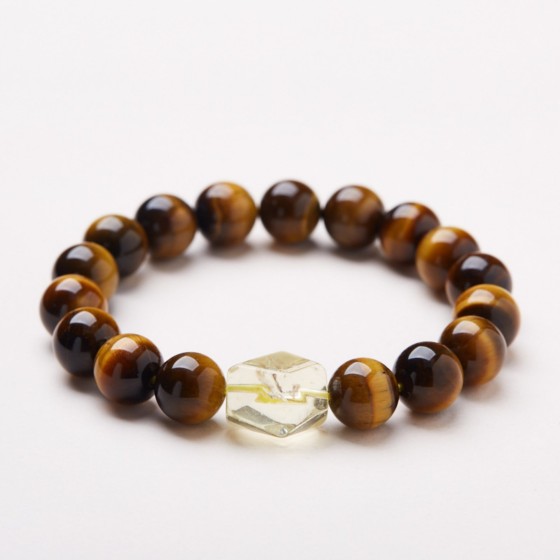
Tiger's Eye and Citrine Bodhi Prayer Beads Bracelet
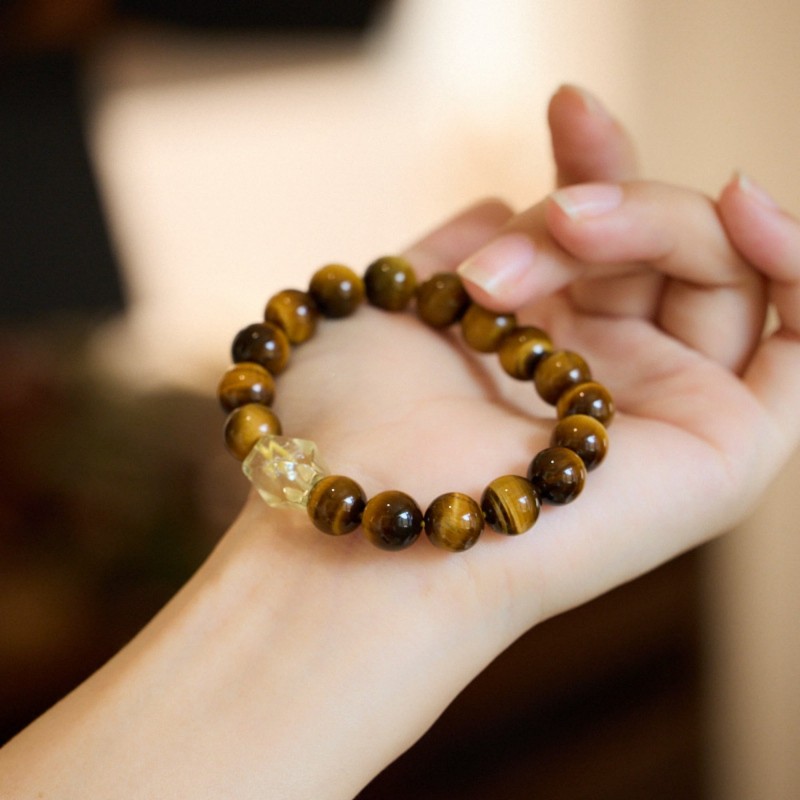
The Tiger's Eye and Citrine Bodhi Prayer Beads Bracelet combines golden-brown and yellow tones with bodhi seeds. It is a good example of a yellow-gold palette.
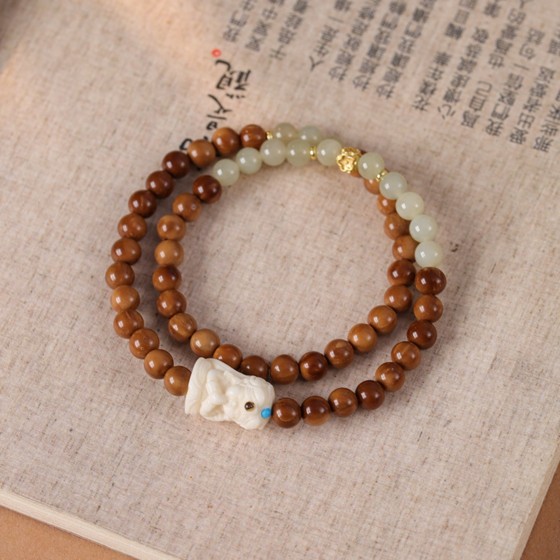
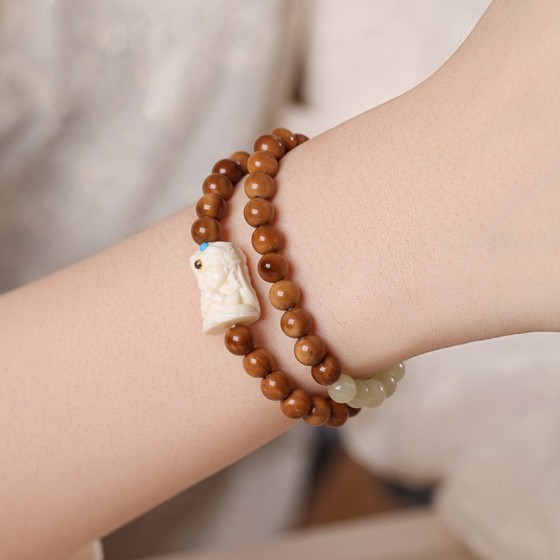
Zen Harmony Hetian Jade & Bodhi Mala Bracelet
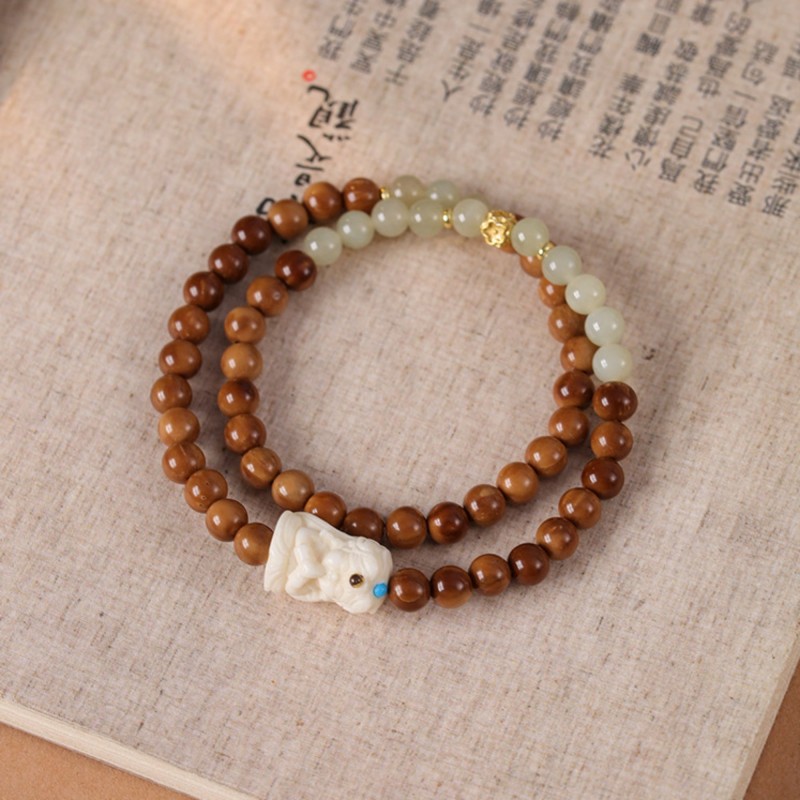
The Zen Harmony Hetian Jade & Bodhi Mala Bracelet mixes Hetian jade with bodhi seeds for a calm, muted look.
How to Choose Your Mala
- Decide how you will use it. Meditation needs a mala you can hold comfortably; a bracelet is easier to wear all day.
- Pick a material you like to touch. You will handle it often.
- Choose a color you find calming. Personal meaning is more reliable than a chart.
- Check size and fit. Compare wrist measurements and bead diameter on the product page.
- Read care notes. Wood, seeds and natural stone react differently to water, perfume and sunlight.
Frequently Asked Questions
What color mala is best for meditation?
There is no best color. Choose one you find calming and a material that is comfortable in your hand.
Does the color of a mala change its effect?
There is no scientific evidence that a bead color changes outcomes. Colors can act as reminders and can support your personal intention.
Is a mala the same as prayer beads?
They are closely related. A mala is a string of prayer beads used in Buddhist and Hindu traditions, usually with 108 beads and a guru bead.
Can I wear a mala as jewelry?
Yes. Many people wear a mala bracelet or necklace daily. Treat it respectfully and avoid placing it on the floor.
How do I care for wooden and stone beads?
Keep them dry, avoid perfume and cleaning products, and wipe gently with a soft cloth.
Browse the full mala beads collection or explore Tibetan bracelets.