

What Is Tibetan Silver? A Guide to Tibetan Jewelry Metals
What is Tibetan silver? It is usually a trade or style name for a silver-colored alloy, not a guarantee of sterling-silver content. Tibetan jewelry may also use verified 925 sterling silver, white copper, brass, or copper. Compare the stated composition, skin sensitivity, finish, price, and care needs before choosing a Tibetan necklace or pendant.
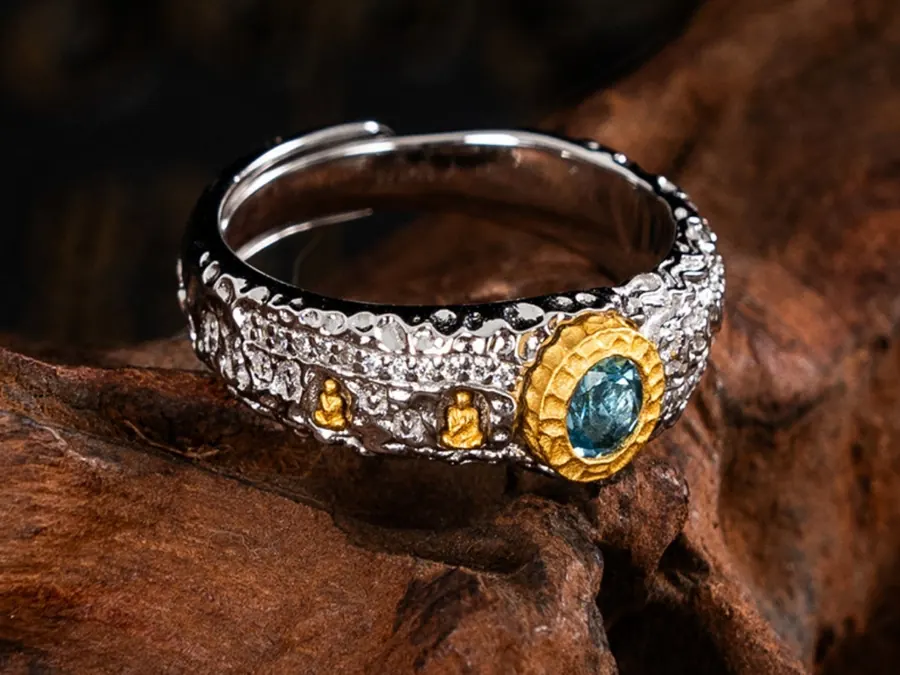
What Is Tibetan Silver, and Is It Real Silver?
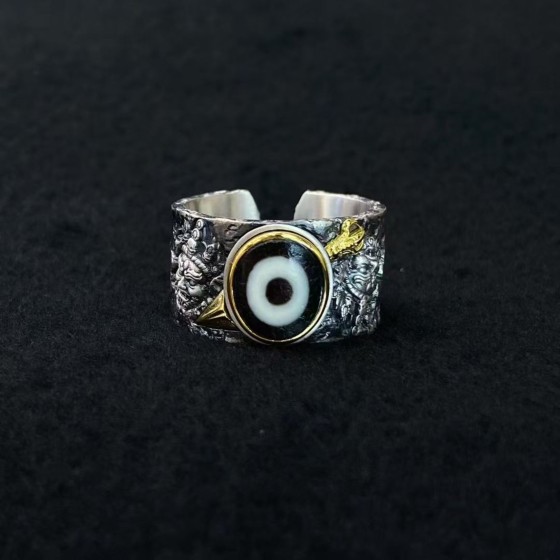
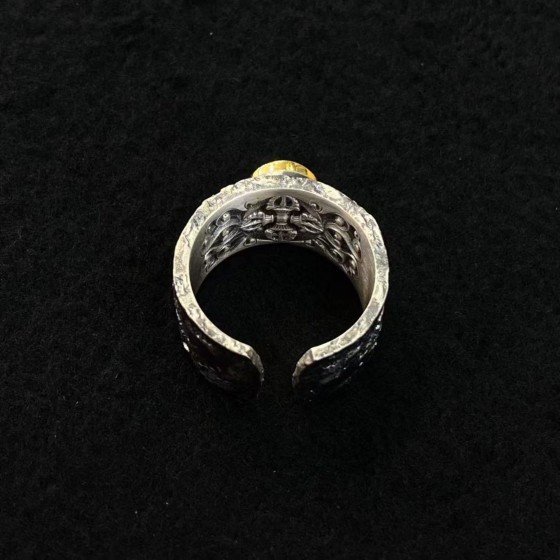
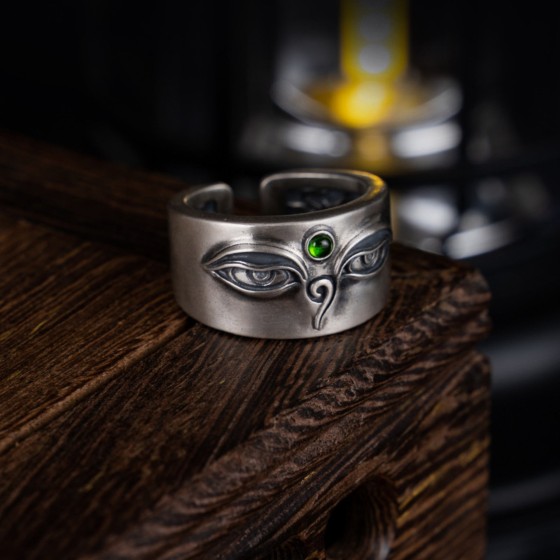
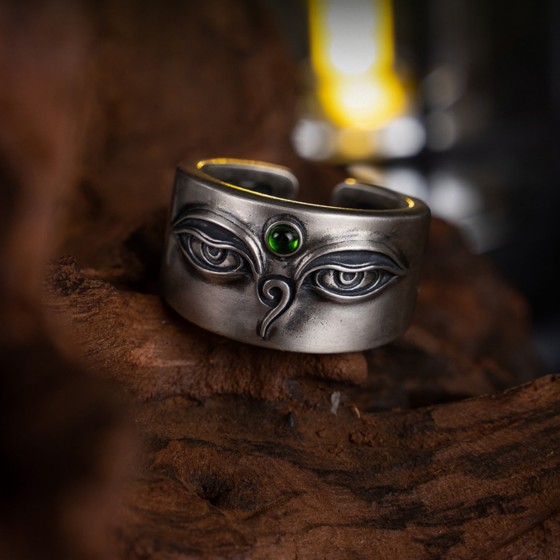
“Tibetan silver” has no single universal formula. In today’s jewelry market, sellers may use the term for a silver-colored base-metal alloy or for an antique Tibetan jewelry aesthetic. Some pieces may contain a small amount of silver; others may contain none. The phrase alone therefore does not establish purity.
If you want precious-metal content, look for a clear “925 sterling silver” specification, a hallmark, and seller documentation. If a listing only says “Tibetan silver necklace,” ask for the alloy composition before buying, especially when you have a nickel sensitivity.
Why Metal Matters in Tibetan Jewelry
Metalwork has long been part of Himalayan decorative and devotional arts. Artisans choose different metals and alloys because they can be cast, hammered, engraved, embossed, or aged to reveal fine details. Warm brass and copper tones can emphasize relief carving, while silver-colored surfaces create a cooler contrast around symbols such as the vajra, lotus, mantra, or Gawu shrine box.
Modern products vary widely, so the product specification is more reliable than color alone. A silver-colored pendant is not automatically sterling silver, and the phrase “Tibetan silver” does not by itself guarantee a particular silver content.
Tibetan Silver vs Sterling Silver, White Copper, Brass, and Copper
| Material | What it usually means | Appearance | Care notes |
|---|---|---|---|
| Sterling silver | Typically 92.5% silver, often marked 925 | Cool white shine; develops tarnish | Polish gently with a silver cloth; store dry |
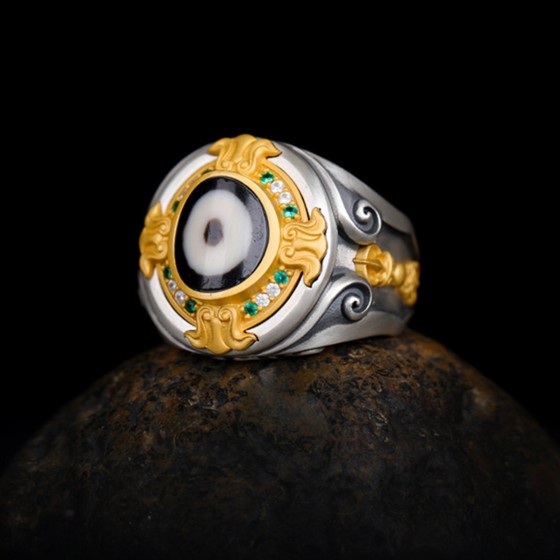
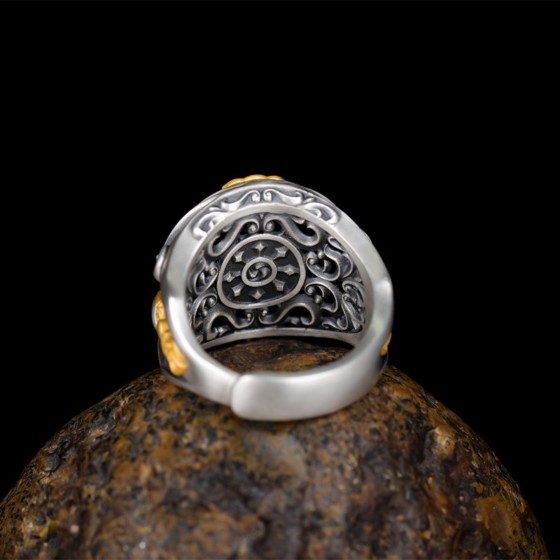
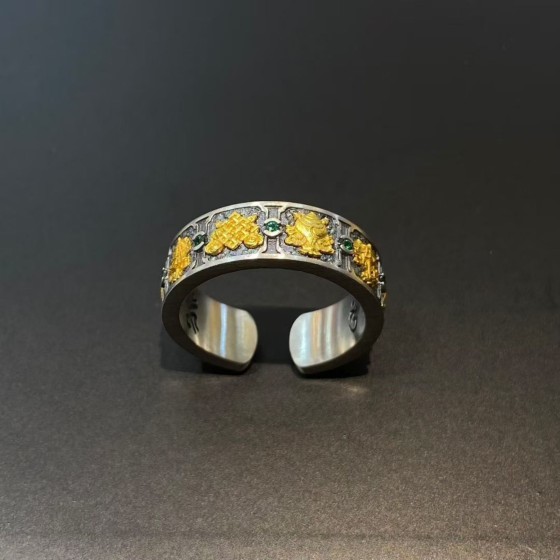
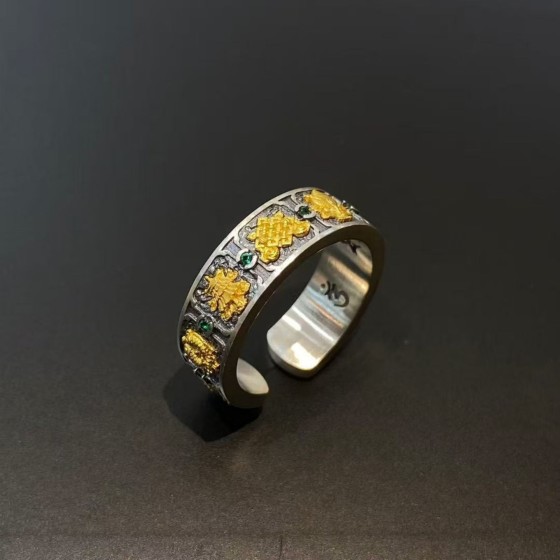
| Tibetan silver | A trade/style term for a silver-colored alloy; composition can vary | Antique silver tone, often darkened in recesses | Confirm composition with the seller; avoid harsh polish on oxidized details |
| White copper | A pale copper alloy, often copper combined with nickel or zinc | Silver-like but usually warmer and darker | Keep dry; ask about nickel if your skin is sensitive |
| Brass | An alloy mainly of copper and zinc | Warm gold tone | Patina is normal; wipe after wear |
| Copper | Copper or a copper-rich alloy | Warm red-brown tone | May darken or leave temporary green marks; keep clean and dry |
Why Brass and Copper Are Common in Buddhist Jewelry
Brass and copper alloys are workable, durable, and well suited to dimensional ornament. They accept antique finishes and highlight carved lines without the higher material cost of sterling silver. Their changing patina is also part of the visual appeal: polished high points remain brighter while recessed areas deepen over time.
This practical combination of detail, color, and affordability explains why mixed-metal designs remain popular in contemporary Buddhist jewelry, Tibetan pendants, and vintage Tibetan jewelry styles.
Tibetan Necklace and Pendant Examples by Material
1. Mixed White Copper and Brass
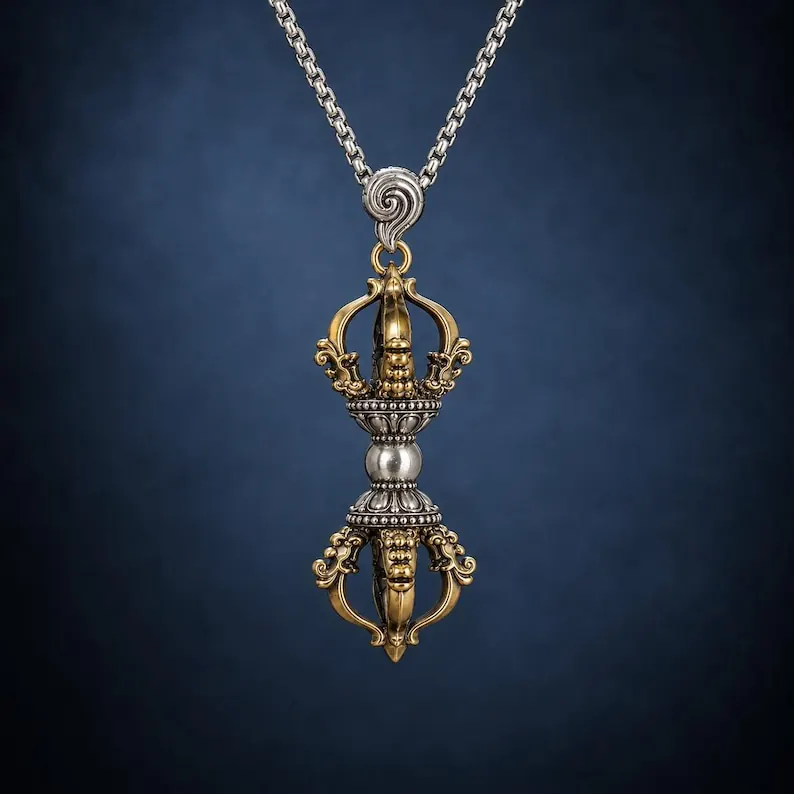
The Two-Tone Five-Pronged Vajra Pendant combines a cool antique-silver appearance with warm aged-gold accents. It is a useful example of how mixed metals can make raised symbolic details easier to read.
2. Warm Brass with Cinnabar-Color Detailing
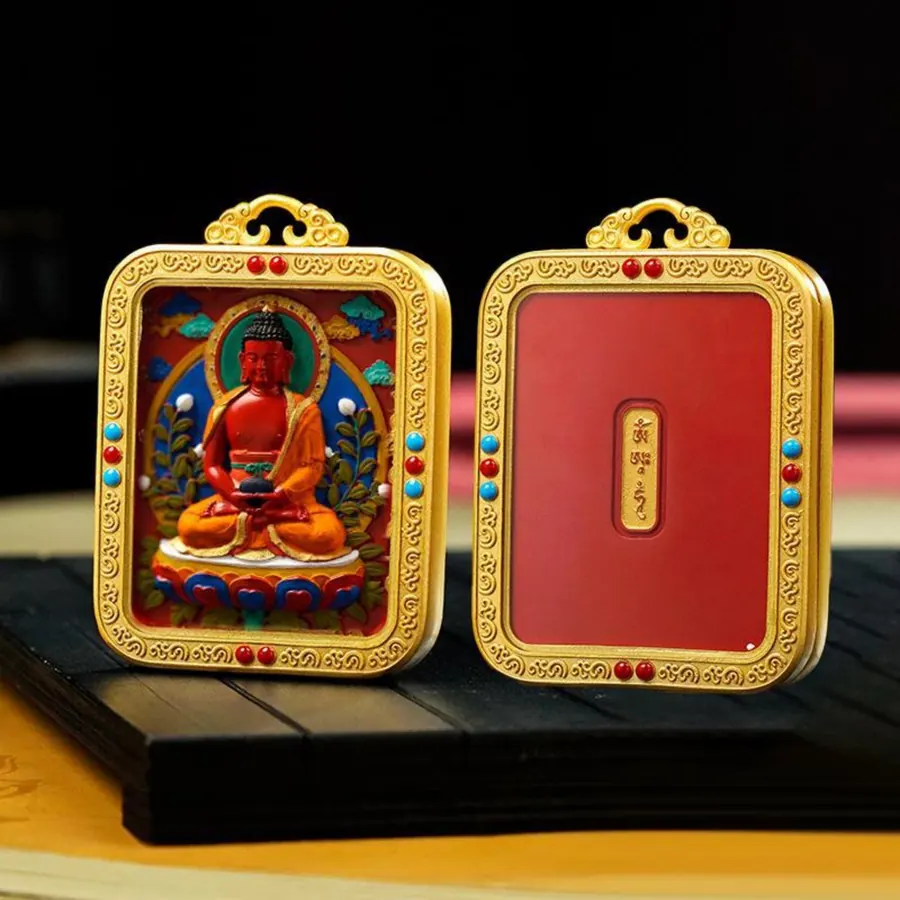
The Hand-Painted Tibetan Buddhist Brass Pendant uses a warm brass base to frame colorful artwork. Brass suits richly decorated Gawu and Thangka-inspired designs because its golden tone adds warmth without requiring gold plating.
3. A Silver Gawu Box Pendant
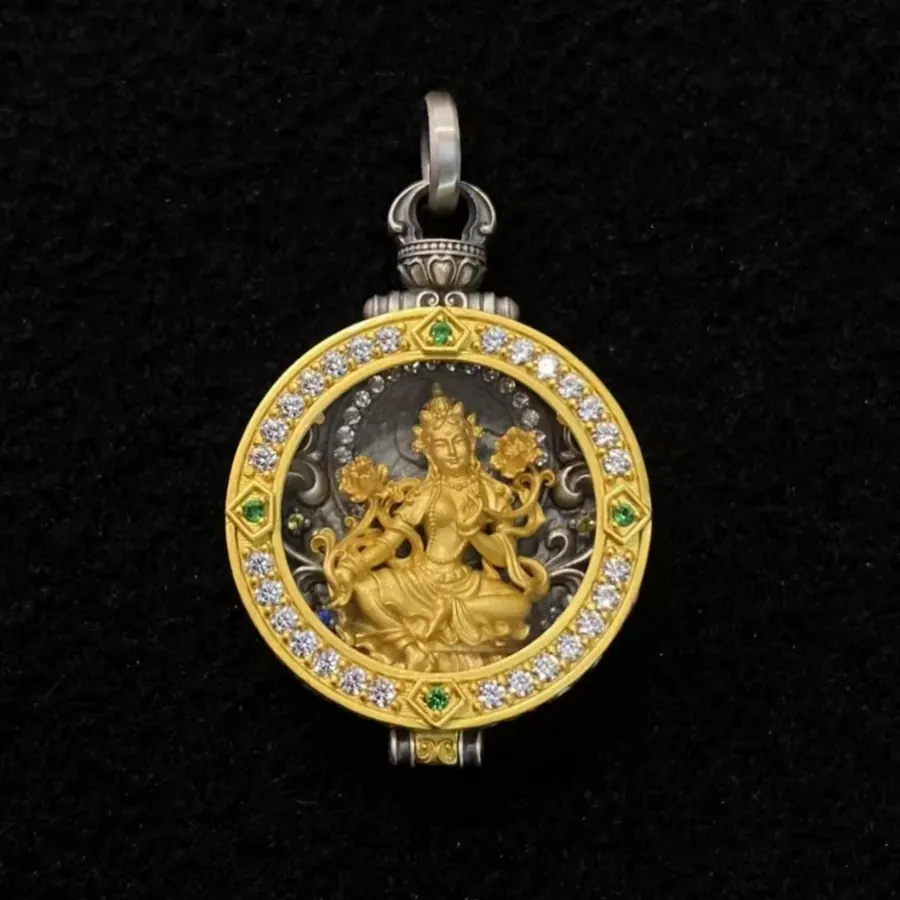
The Hand-Carved Green Tara Silver Gawu Box Pendant demonstrates the cooler finish and fine detailing buyers often seek in a silver Buddha pendant or Tibetan silver necklace. Always check the current product specification for exact material, size, and care instructions before ordering.
How to Choose Tibetan Jewelry by Metal
- For a bright, precious-metal finish: choose verified 925 sterling silver.
- For an antique silver look at a different price point: consider white copper or a clearly described silver-colored alloy.
- For a warm gold tone: brass offers rich color and develops a natural patina.
- For a red-brown, earthy finish: copper provides warmth but generally needs more frequent wiping.
- For sensitive skin: request a full alloy disclosure, especially for nickel, and stop wearing the item if irritation occurs.
Simple Metal Jewelry Care
- Remove jewelry before bathing, swimming, exercise, or applying perfume and lotion.
- Wipe the piece with a soft, dry cloth after wear.
- Store items separately in a dry pouch to reduce scratches and tarnish.
- Use only a cleaner intended for the stated metal; aggressive polish may remove intentional antique finishes.
- Do not soak painted, inlaid, or sealed Gawu pieces unless the maker specifically says it is safe.
Frequently Asked Questions
Is Tibetan silver real silver?
Not necessarily. “Tibetan silver” is often a style or trade term for a silver-colored alloy. Look for a 925 hallmark and a clear material statement if you specifically want sterling silver.
Is white copper the same as silver?
No. White copper is a pale copper alloy designed to resemble silver. Its exact composition varies, so buyers with metal sensitivities should ask whether it contains nickel.
Why can brass or copper turn skin green?
Copper can react with moisture, skin oils, or cosmetics and form green copper salts. The mark is usually temporary and washable, but irritation is a reason to stop wearing the item.
Can Tibetan jewelry be worn every day?
Many pieces can, but daily wear accelerates patina and finish changes. Keep the piece dry and follow its material-specific care guidance.
Which metal is best?
There is no universal best choice. Sterling silver suits buyers who value verified precious-metal content; brass and copper offer warm color and character; mixed alloys can deliver intricate detail at a more accessible price.
Choose With Clarity and Respect
Symbols in Buddhist jewelry can carry religious and cultural significance. Learn what a motif represents, read the material description carefully, and treat spiritual imagery respectfully. Jewelry may serve as a personal reminder of compassion or mindfulness, but it should not be presented as guaranteed medical treatment or supernatural protection.
Explore KyLin Aura ethnic and cultural accessories to compare metals, finishes, and symbolic designs.