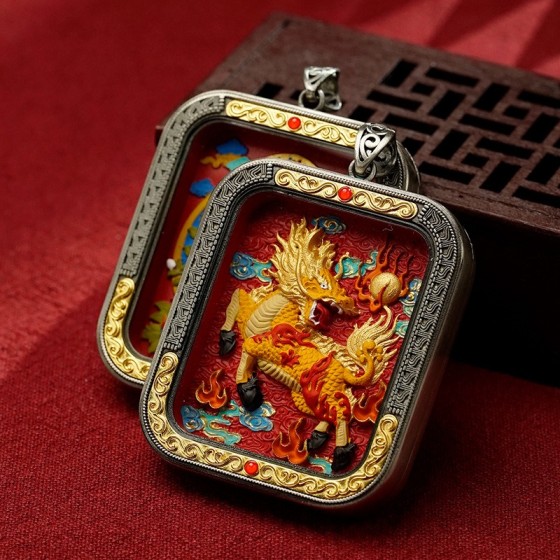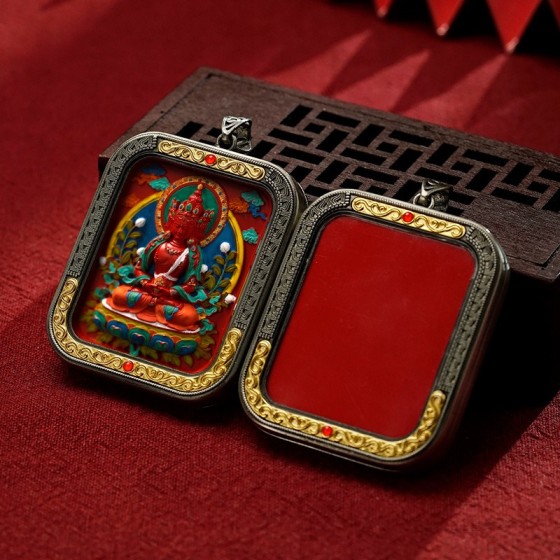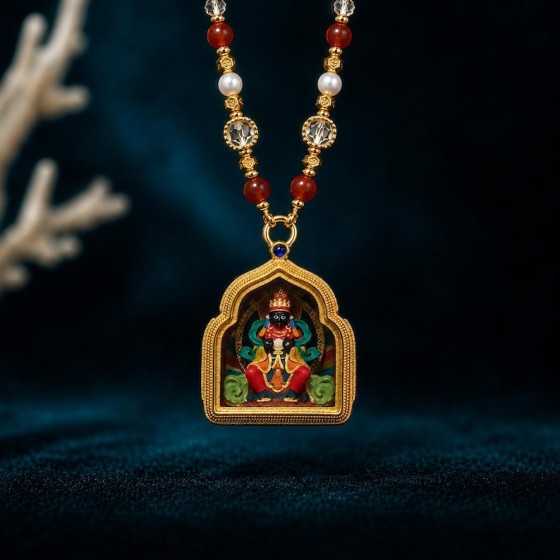


The Meaning Behind Your Buddha Pendant: More Than Ornament, A Spiritual Companion
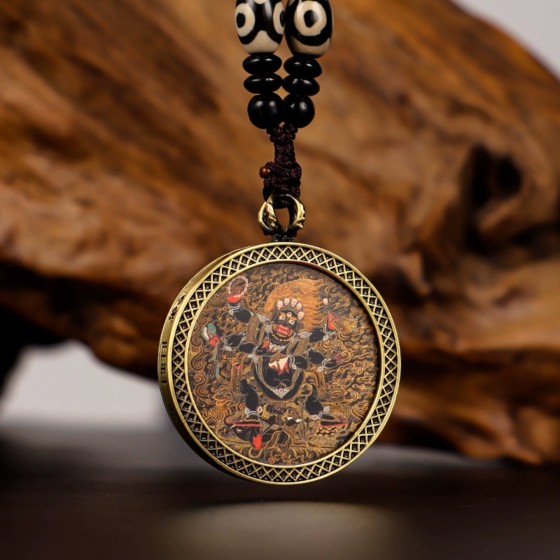
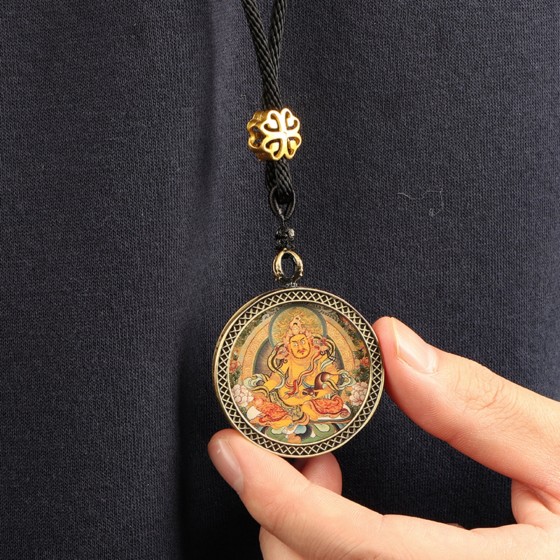
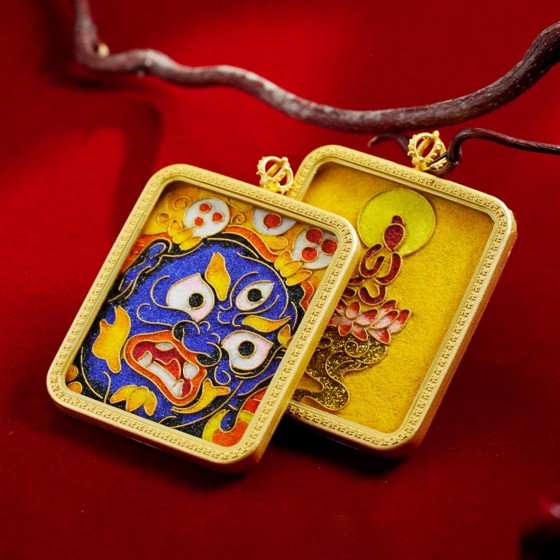
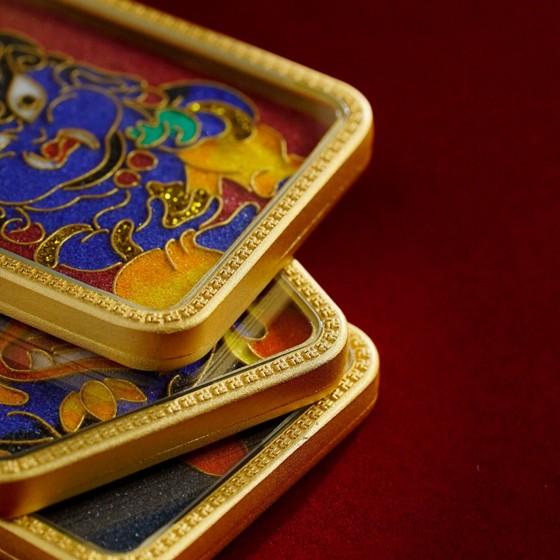
A Buddha pendant may look like a simple piece of jewelry, but it can carry centuries of spiritual meaning, cultural memory, and personal intention. Whether you wear one as a mindfulness reminder, a symbol of compassion, or a connection to Buddhist art and tradition, learning its story can change the way you relate to it.
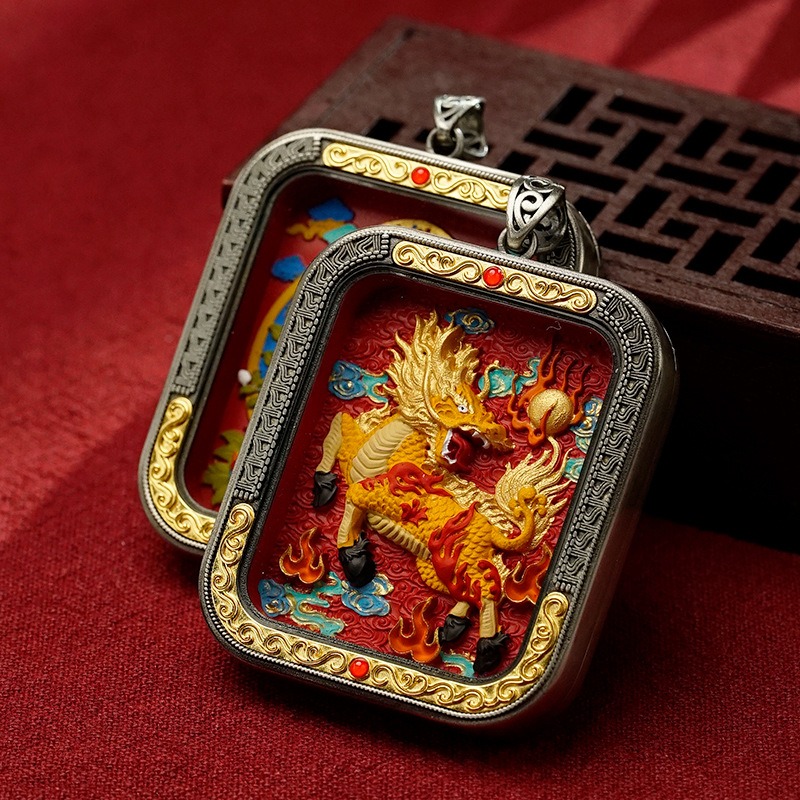
I. Historical Roots: From Sacred Relic to Personal Adornment
Buddha pendants did not begin as fashion accessories. In early Buddhist traditions, images of the Buddha were created for temples, shrines, and spaces of devotion. As Buddhism traveled across Asia, smaller and more portable forms appeared in different communities.
- Amulets for protection: Small Buddha images were carried or worn by travelers and others seeking a sense of spiritual safeguarding.
- Meditation aids: A pendant could serve as a visual or tactile focus during prayer, mantra recitation, or quiet reflection.
- Cultural synthesis: In Tibet and the Himalayas, Buddha imagery was often combined with local symbols, including the Eight Auspicious Symbols and the Endless Knot.
This movement from shared sacred spaces to personal devotion reflects an important Buddhist idea: wisdom and compassion can be brought into ordinary daily life.
II. The Spiritual Language: What a Buddha Pendant Communicates
Not every Buddha pendant carries the same visual message. The figure’s posture, accompanying symbols, and materials can suggest different intentions.
The Buddha’s Form and Pose
- Meditating Buddha, or Dhyana Mudra: Suggests stillness, concentration, and inner peace.
- Laughing Buddha, often associated with Maitreya: Represents joy, contentment, generosity, and abundance.
- Medicine Buddha: Often shown holding a medicine bowl or jar, and associated with healing and well-being.
Sacred Materials
- 925 silver: Valued for its durability and soft luminosity. In Tibetan and Himalayan jewelry traditions, silver is also often associated with clarity and purification.
- Turquoise and other stones: Frequently used in Himalayan adornment and valued for their color, heritage, and protective symbolism. Their meaning can vary by community and tradition.
Symbolic Pairings
Buddha imagery may appear alongside other sacred emblems:
- Lotus: Purity and awakening arising from difficult conditions.
- Prayer wheel: A reminder to turn compassion and wisdom into action.
- Om symbol: A sacred sound and spiritual symbol used in several South Asian religious traditions.
III. Why Wear One? Modern Meanings Beyond Tradition
Today, people wear Buddha pendants for both spiritual and personal reasons:
- Mindfulness anchor: Touching the pendant can become a small cue to slow down, breathe, and return to the present moment.
- Expression of values: It can quietly represent compassion, non-violence, patience, or a commitment to inner work.
- Cultural appreciation: Wearing one with knowledge of its origins honors the tradition more meaningfully than treating it as a generic decorative motif.
“My pendant isn’t jewelry—it’s a mirror. When I touch it, I ask: ‘Am I living the calm I seek?’” — A KyLin Aura wearer
IV. Respectful Wearing: What to Know Before You Adorn
There is no single universal rule for wearing a Buddha pendant, and customs differ across Buddhist cultures. These considerate practices can help preserve its dignity:
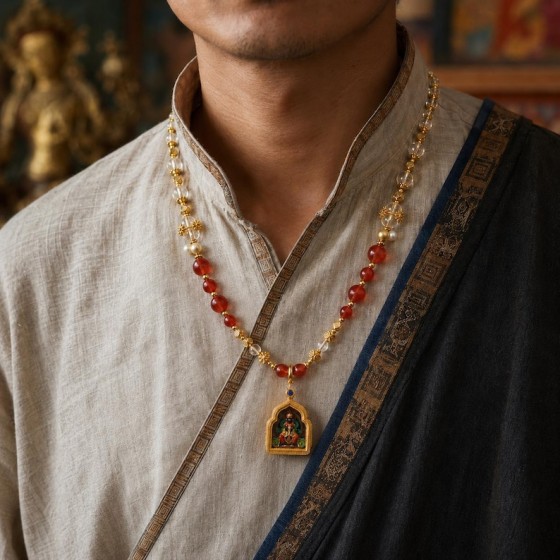
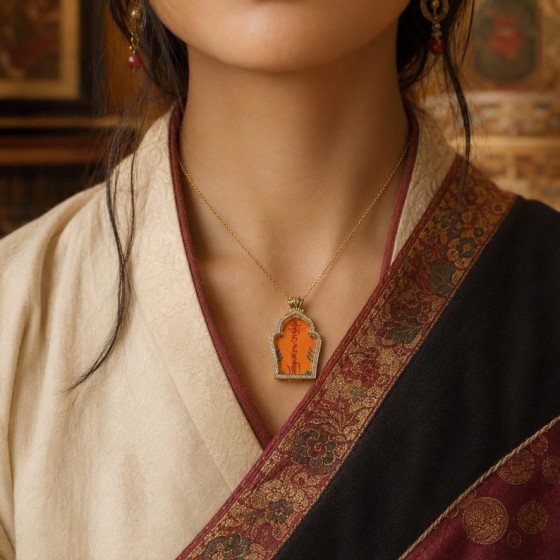
- Wear it thoughtfully: Many people choose to keep a sacred image near the chest and avoid wearing it below the waist.
- Keep it clean: Store it carefully and clean the jewelry according to its material. If a personal cleansing ritual is meaningful to you, use a gentle practice such as quiet reflection or incense, while avoiding smoke or moisture that could damage the piece.
- Avoid disrespectful placement: Do not leave the pendant on the floor, step over it, or wear it carelessly in contexts that your tradition considers inappropriate.
V. Choosing Your Buddha Pendant: A Guide
Start with the meaning you want to carry. Then consider the image, craftsmanship, material, comfort, and whether the maker presents the cultural background responsibly.
| Intention | Pendant Type | Material Pairing |
|---|---|---|
| Peace and focus | Meditating Buddha | 925 silver |
| Healing and well-being | Medicine Buddha | Jade or turquoise |
| Joy and abundance | Laughing Buddha | Gold-plated brass |
| Protection and courage | Buddha with Dharma Wheel | Lapis lazuli |
The Takeaway: A Personal Compass, Not a Lucky Charm
A Buddha pendant is not a magical shield. Its value lies in what it represents and in how that symbol shapes your awareness. A Buddha image can remind us of our capacity for compassion, patience, and awakening.
Chosen thoughtfully and worn mindfully, this small piece can become a quiet companion: a prompt toward patience in traffic, a hand on your heart in grief, and a daily intention to live with greater kindness.
Looking for the broader symbolism of Buddha jewelry and whether anyone can wear it? Read Buddha Necklace Meaning: What Does a Buddha Necklace Mean?
Explore Our Collection: Discover Buddha pendants and Buddha necklaces crafted with intention.
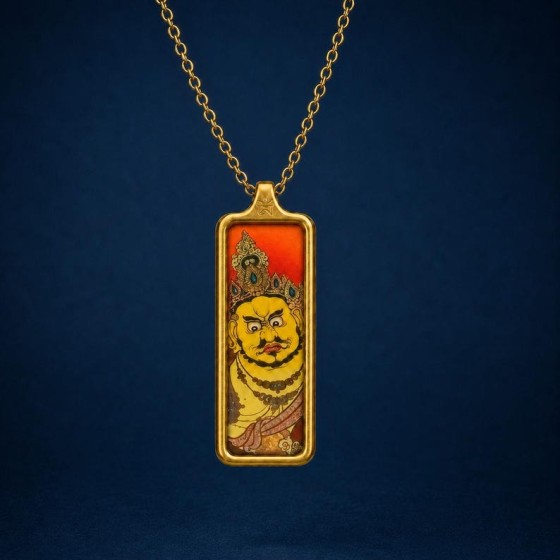
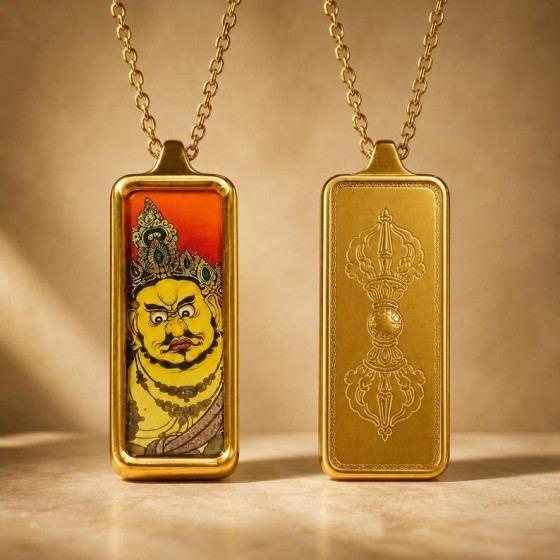
If your pendant carries a painted deity image, see our thangka pendant guide for meaning, types and care.