

What Is Incense? Types, History, Uses & Safety Guide
What Is Incense?
Incense is any natural or synthetic substance that releases a fragrant smoke when ignited or gently heated. For over 6,000 years, cultures across every continent have burned it in temples, homes, and healing spaces — not merely for scent, but as a bridge between the physical and the spiritual.
Quick answer: incense is a blend of aromatic plant materials, such as sandalwood, agarwood, resins and herbs, shaped into sticks, cones, coils or powder and burned slowly to release fragrant smoke. People use it for prayer and meditation, to mark a quiet moment, or simply to scent a room.
At its core, incense is made from aromatic plant materials: resins, bark, roots, flowers, leaves, and wood. Bound together and shaped into sticks, cones, coils, or left as raw resin, each form offers a distinct sensory and ritual experience.
Incense as a Living Philosophy
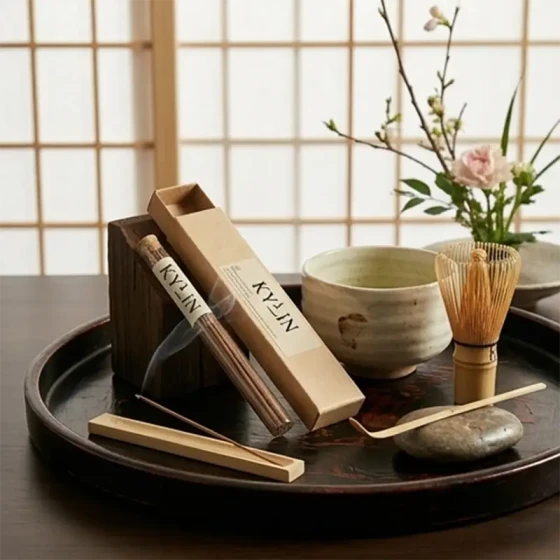
Across Asian traditions, burning incense is woven into the fabric of everyday life as a conscious, almost meditative act:
- With tea: A single stick transforms a busy afternoon into a contemplative ritual — worries dissolve as gently as the curling smoke.
- At your desk: Certain aromas clear mental fog and restore focus, turning a fatigued hour into a productive one.
- In meditation: Scent anchors attention to the breath, deepening stillness and emotional equilibrium.
- For prayer and remembrance: Rising smoke has symbolized prayers ascending to the divine across virtually every culture on earth.
A 6,000-Year History of Incense
Egypt — c. 4500 BCE
The earliest recorded incense use. Ancient Egyptians burned kyphi (a blend of frankincense, myrrh, juniper, and honey) in temple offerings, mummification rituals, and daily purification rites. Distillation vessels found in tombs confirm their mastery of aromatic compounds.
India — c. 1500 BCE
The Rigveda, one of humanity's oldest texts, documents the ritual burning of fragrant herbs. India's incense tradition is deeply rooted in Ayurveda — the ancient system of holistic medicine. Agarwood and sandalwood became sacred staples, later carried across Asia by Buddhist missionaries from 200 CE onward.
China — Shang Dynasty, c. 1600 BCE
Chinese incense culture began with fragrant plants burned to repel insects and communicate with ancestors. The Silk Road later brought agarwood and frankincense from the Middle East. Incense culture reached its apex in the Song Dynasty (960–1279 CE), when scholars held competitive "incense gatherings" — the cultural equivalent of today's craft whisky tastings.
Greece — Classical Period
Temples like the Oracle of Delphi burned myrtle, sage, and laurel during prophecy rituals. Greek physicians also prescribed aromatic fumigations for respiratory and psychological ailments — an early form of what we now call aromatherapy.
Japan — 6th Century CE
Buddhism introduced incense to Japan. By the Muromachi period (1336–1573), Kōdō — the "Way of Incense" — emerged alongside tea ceremony and flower arranging as one of the three classical arts of refinement. Today, formal Kōdō ceremonies remain a living tradition.
The 6 Main Forms of Incense
Understanding the different forms helps you choose the right incense for any setting or intention.
Incense Sticks
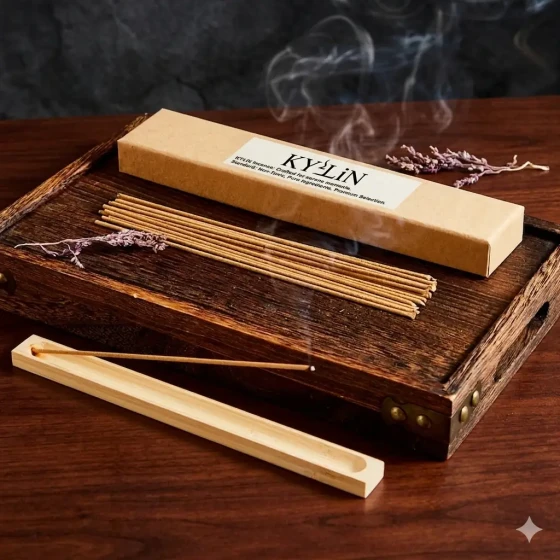
The most versatile form. Coreless sticks (pure incense paste) burn longer and cleaner than bamboo-core varieties. Ideal for daily use and meditation.
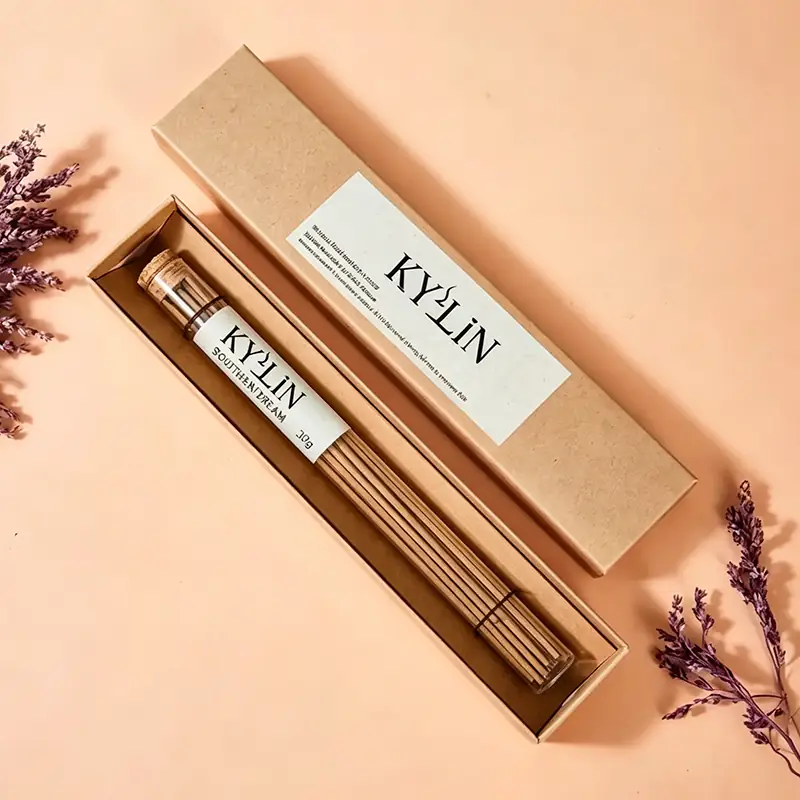
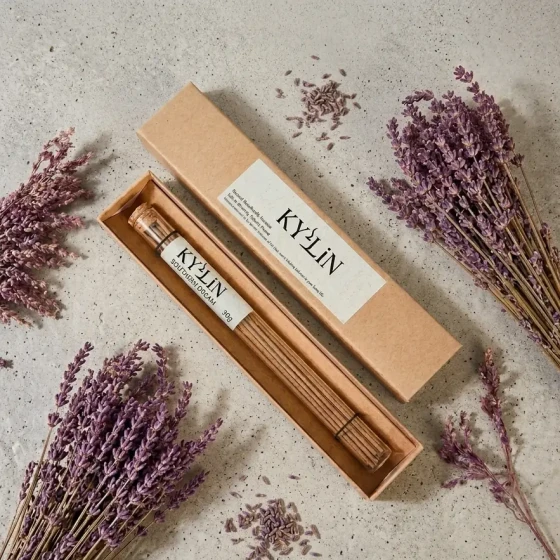
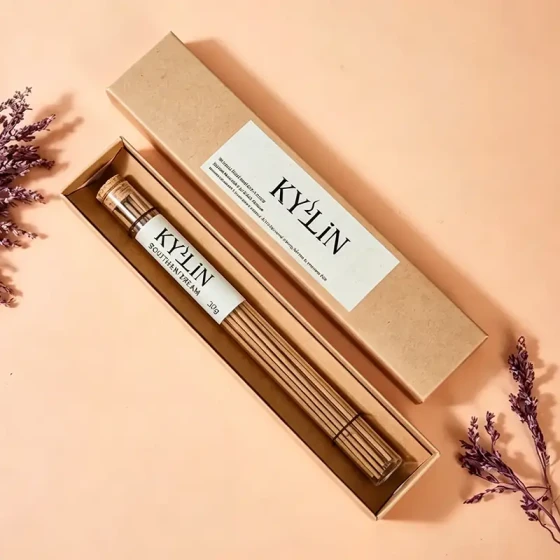
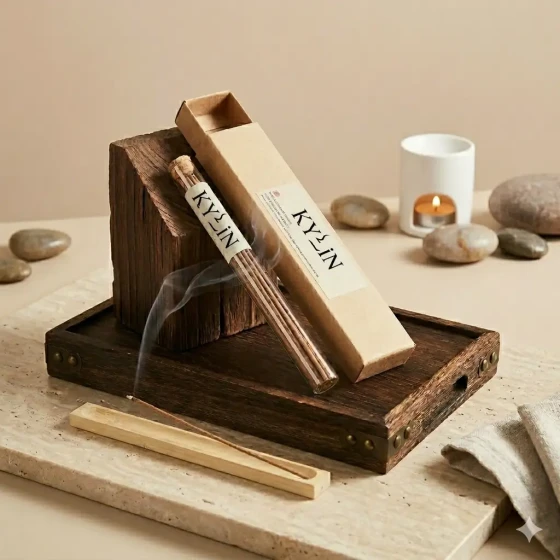
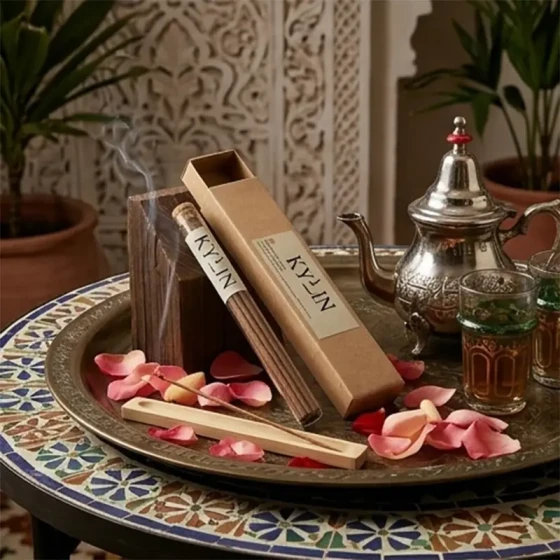
(KyLin Aura Handmade Incense — Aged Sandalwood Incense Sticks)
Incense Cones
Compact and intense. Regular cones release smoke upward; backflow cones cascade smoke downward through a hollow base — breathtaking in a backflow burner.
Coil Incense
Spiral-shaped for extended burning (up to 24 hrs). Perfect for large spaces, outdoor settings, or all-night ceremonies.
Incense Powder
The raw form — burned directly on charcoal discs or shaped into custom patterns (incense stamps). Beloved by purists for maximum freshness and customization.
Resin Incense
Hardened tree sap — frankincense, myrrh, dragon's blood. Heated on a charcoal disc or electric heater. The most ancient form, with the richest, most complex aroma.
Sacred Wood
Chips or shavings of agarwood, palo santo, or sandalwood burned on a heater. The purest expression of wood's innate fragrance — no additives, no binders.
What Is Incense Made Of?
Quality incense is a precise blend of three component categories:
- Aromatic core materials: The soul of the incense. Agarwood (oud), sandalwood, frankincense, myrrh, cypress, clove, cinnamon, rose petals, and hundreds of other botanicals each contribute unique therapeutic and sensory properties.
- Wood powder (filler/carrier): Provides structure and extends burn time without altering scent significantly.
- Natural binders: Elm bark powder or plant gums hold the mixture together. Synthetic chemical binders are a red flag — avoid them.
What to avoid: Mass-market incense often contains synthetic fragrance oils, saltpeter (to force burning), and artificial dyes. These produce harsh smoke and negate the wellness benefits. Always choose incense labeled "100% natural" or "no synthetic additives."
How to Burn Incense — Step-by-Step
1. Choose Your Form & Fragrance
Match the incense to your intention. Lavender and chamomile for relaxation; rosemary and mint for focus; sandalwood and agarwood for meditation or prayer; frankincense for ceremonial use.
2. Prepare Your Space
Open a window slightly to allow gentle air circulation — enough to carry the scent through the room without flushing it away. Place your burner on a heat-resistant, stable surface away from fabrics and paper.
3. Light the Incense
Hold the tip to a flame for 5–10 seconds until it glows red. For sticks and cones, gently blow out the flame and allow the ember to smolder. For resin, place a small piece on a pre-heated charcoal disc.
4. During Burning
- Never leave burning incense unattended.
- Keep sessions to 30–60 minutes in an average-sized room.
- If smoke becomes dense or eye-irritating, open a window wider.
- Keep out of reach of children and pets.
5. Extinguishing Safely
Press the glowing tip gently into sand or an ash catcher. Do not blow ash around the room. Confirm the ember is fully extinguished before leaving the space.
What Does Incense Do? Common Uses and Reported Benefits
Research on scent and wellbeing is still limited, so treat the points below as common experiences rather than medical claims.
1. A Calming Ritual
Many people use sandalwood, frankincense or lavender to mark a quiet moment. Small aromatherapy studies suggest some aromas may support relaxation, but results vary from person to person. The ritual itself, lighting a stick, pausing and breathing, is often the most reliable part of the experience.
2. A Cue for Focus
A consistent scent can become a signal that it is time to study, write or meditate. Some small studies on rosemary aroma report effects on attention and memory, although the evidence is not conclusive.
3. Freshening a Room
Incense adds fragrance to a space, but it does not replace ventilation or air purification. Smoke contains fine particles, so open a window and burn in moderation.
4. Cultural Continuity & Spiritual Connection
Burning incense is an act of participation in something far larger than the individual moment. Whether you're observing a Buddhist puja, a Catholic Mass, a Shinto ceremony, or simply a quiet evening ritual, incense connects you to an unbroken chain of human experience stretching back thousands of years.
Is Incense Harmful? What Science Says
Honest answer: natural incense, used moderately in a ventilated room, poses minimal health risk for most healthy adults. The risks that exist are primarily associated with:
- Synthetic chemical-based incense releasing benzene, toluene, or formaldehyde
- Burning indoors in a sealed, poorly ventilated space for many hours daily
- Pre-existing respiratory conditions (asthma, COPD)
Risk minimization checklist:
- Choose 100% natural, additive-free incense
- Limit sessions to 30–60 minutes
- Always ensure cross-ventilation while burning
- Use an ash catcher to contain particles
- Consult a doctor if you have respiratory sensitivities
- Keep pets (especially birds) away from incense smoke
Frequently Asked Questions About Incense
Is incense bad for you?
All smoke contains fine particles, so burning incense is not risk-free. For most healthy adults, occasional use of natural incense in a well-ventilated room is a low concern. People with asthma or other breathing conditions, and homes with birds or small pets, should be more cautious.
Is it bad to burn incense every day?
Daily use is common in many traditions. Keep sessions short, around 30 to 60 minutes, ventilate the room, and choose incense without synthetic fragrance oils. If you notice irritation, reduce how often you burn it.
How does incense work?
The lit tip smolders rather than flames. Slow, low heat releases aromatic compounds from the wood, resin and herbs, and the rising smoke carries the fragrance through the room.
What is incense made of?
Aromatic materials such as sandalwood, agarwood, frankincense or herbs, a wood powder base, and a natural binder such as elm bark powder. Lower-quality incense may add synthetic fragrance oils and dyes.
Incense sticks vs. cones: what is the difference?
Sticks burn slowly and evenly, which suits meditation and daily use. Cones are more compact and release scent faster; backflow cones send smoke downward in a backflow incense burner.
Can incense help meditation?
Many practitioners use a single stick as a timer and a cue to settle attention. Read more in Can Incense Help Meditation?
Explore Our Curated Collection
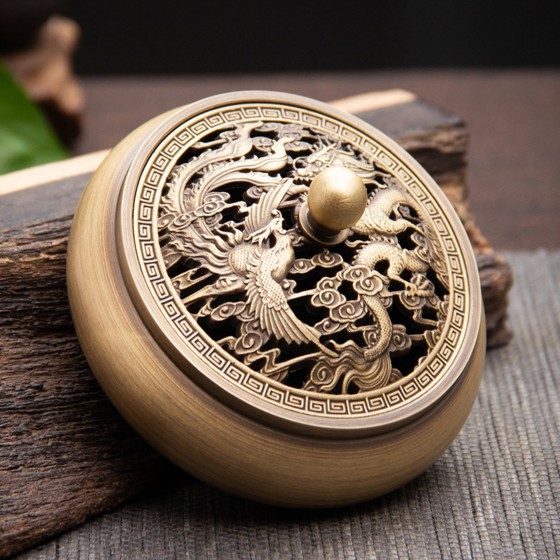
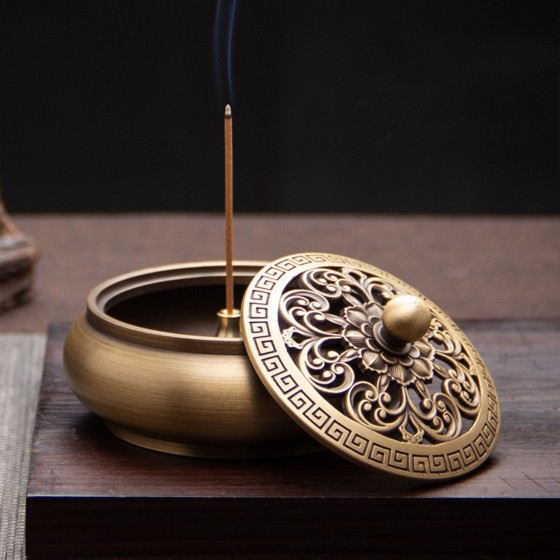
KyLin Aura handmade incense is made with plant-based aromatic materials. Browse incense sticks, then pair them with an incense burner or holder for a safe, tidy ritual.
Shop Natural Incense →