


Green Tara: The Tibetan Goddess of Compassion and Liberation
Green Tara: The Tibetan Goddess of Compassion and Liberation
In Tibetan Buddhism, Green Tara — known in Sanskrit as Tārā — is revered as the swift-acting Goddess of Compassion, celebrated for her power to dissolve fears, offer protection, and guide practitioners toward freedom. From ancient monasteries to modern malas and pendants, her presence continues to inspire hope, courage, and the promise of liberation.
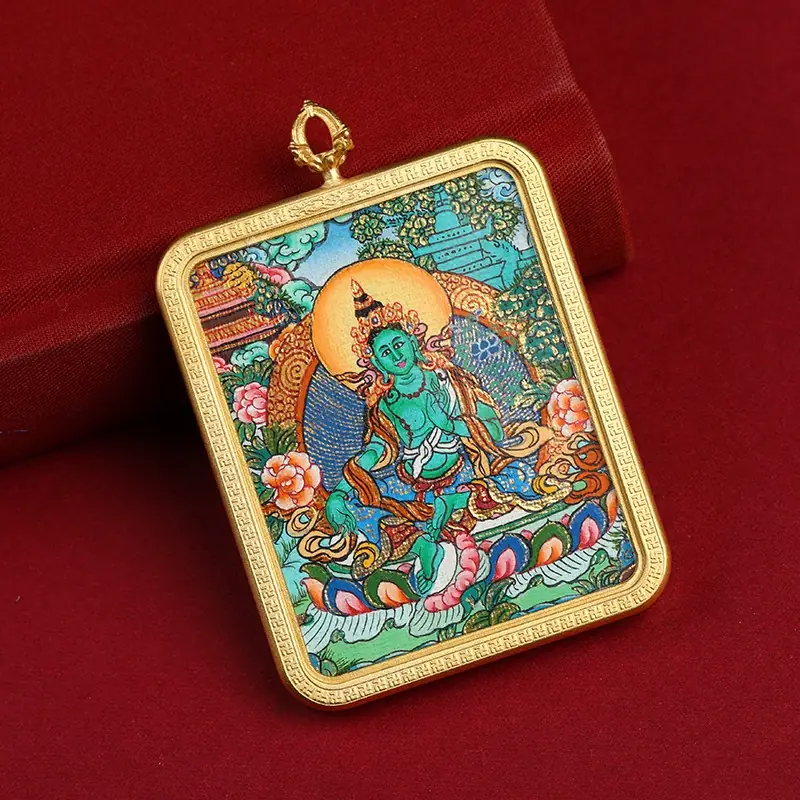
KyLin Aura Tibetan Hand-Painted Green Tara Thangka Pendant Necklace
Who Is Green Tara?
Green Tara is one of the most beloved Bodhisattvas in both Mahāyāna and Vajrayāna traditions. While Avalokiteśvara embodies the principle of universal compassion, Tara manifests that compassion in direct, fearless action. Legend holds that when Avalokiteśvara wept upon witnessing the suffering of all beings, a lotus blossomed from his tears — and from that lotus, Tara emerged, ever-ready to leap into the world and rescue all who call her name.
Symbolism and Iconography
- Green Color: Symbolizes active compassion, vitality, and the dynamic energy needed to overcome obstacles.
- Posture: Seated with one leg folded in meditation and the other extended — ready to rise — she embodies the perfect balance of inner stillness and outward compassionate action.
- Hand Gestures (Mudras):
- Right Hand — Varada Mudra: Palm offered outward, signifying generosity and the granting of wishes.
- Left Hand — Abhaya Mudra: Palm raised, symbolizing fearlessness and protection.
- Lotus Flowers: Two blue lotuses bloom at her shoulders, representing purity and the unfolding of boundless spiritual potential.
Through these elements, Tibetan Green Tara art conveys her unwavering readiness to assist anyone who sincerely calls upon her.
The Tara Mantra and Practice
Central to Green Tara devotion is her mantra:
"Om Tare Tuttare Ture Svāhā"
Each syllable carries a specific blessing:
- Tare — liberates from worldly fears and external dangers
- Tuttare — uproots the internal obstacles of greed, hatred, and delusion
- Ture — grants swift protection and guides toward ultimate liberation
Green Tara meditation typically begins with visualization — vividly seeing her emerald form seated upon a lotus — followed by mantra recitation in rounds of 108 beads. This practice cultivates both deep mindfulness and compassion in action, making the Tara mantra a powerful anchor for daily resilience.
Green Tara in Tibetan Culture
- Temples and Thangkas: In Tibetan monasteries, large Tara thangka paintings depict her surrounded by the 21 Emanations of Tara, each representing a distinct quality — from peaceful refuge-giving to fierce protection against inner demons.
- Rituals: Monks perform Tara puja ceremonies on Thursdays — her sacred day — offering butter lamps, incense, and devotional recitations to invoke her swift aid.
- Everyday Symbols: From home shrines to Tara pendants, many practitioners keep her image close as a source of continuous support and spiritual connection.
In Tibetan folk belief, Green Tara's promise is direct and urgent: "I will come swiftly to your aid" — making her the first deity many turn to in times of crisis or fear.
Modern Relevance
In the contemporary world, Green Tara's themes of fearlessness, healing, and active compassion resonate across cultures. Whether facing personal hardship or global uncertainty, practitioners find in her a model for balanced engagement — meditative stability paired with courageous, compassionate service.
- Mindful Action: Tara's open posture reminds us that true compassion is both an inner state and an outward practice.
- Empowerment: Invoking her name builds confidence and reminds us of our own innate capacity for kindness and bravery.
- Community: Group Tara retreats and online mantra-chanting circles foster deep connection, reflecting her vow to aid all beings without exception.
Connecting with Green Tara
For those drawn to Green Tara's energy, here are a few meaningful ways to deepen your connection:
- Daily Mantra Practice: Even five minutes of reciting "Om Tare Tuttare Ture Svāhā" can center your mind and shift your day.
- Symbolic Jewelry: A Tara pendant or mala bracelet serves as a wearable reminder of her protection and compassionate presence.
- Art and Visualization: Studying a Tara thangka or statue deepens your understanding of her iconography and can inspire your own acts of compassion.
By weaving Green Tara's image and mantra into your everyday life, you open the door to liberation — not only for yourself, but for all those your life touches.