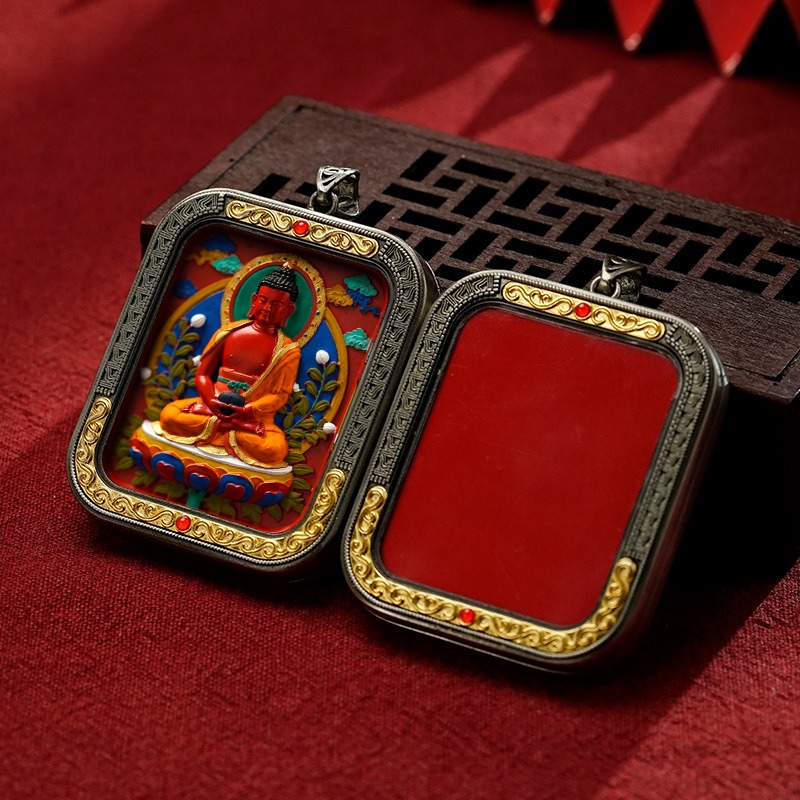


How to Choose a Buddhist Pendant Necklace by Zodiac Guardian Deity
Short answer: A Buddhist pendant necklace is usually chosen by intention, personal meaning, and cultural respect. Many KyLin Aura customers choose a thangka pendant by Chinese zodiac guardian deity, by the qualities of a Buddha or Bodhisattva, or simply by the image that feels calm and meaningful to wear.
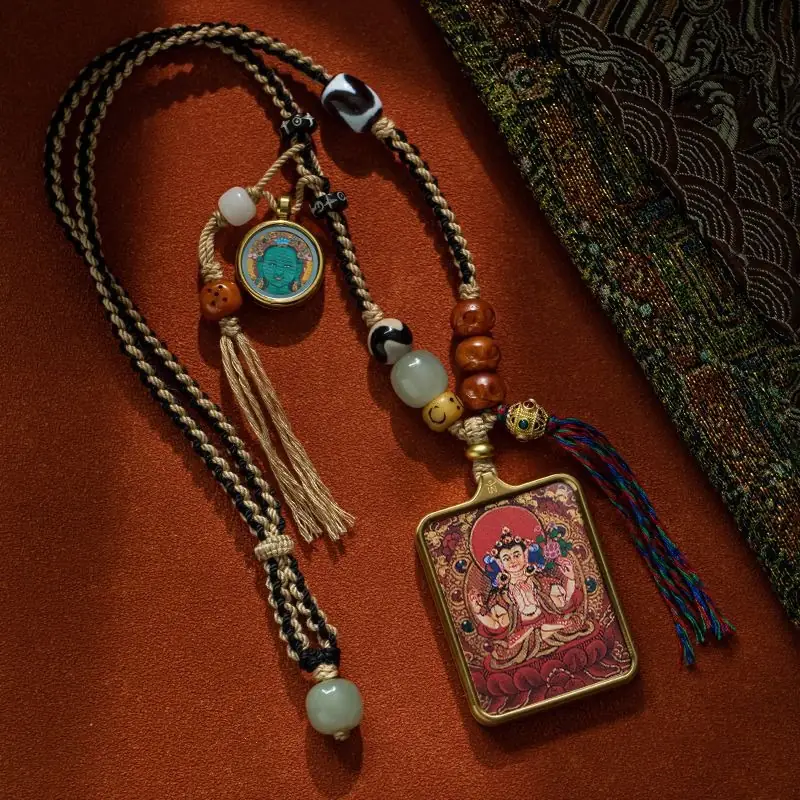
A Buddhist pendant necklace can be a daily reminder of compassion, wisdom, steadiness, or devotion. In Tibetan Buddhist culture, images of Buddhas, Bodhisattvas, protector figures, and thangka art are connected with practice and symbolic meaning. For modern wearers, a pendant does not guarantee luck, health, wealth, or protection; it works best as a respectful reminder of the qualities you want to cultivate.
What Is a Buddhist Pendant Necklace?
Definition: A Buddhist pendant necklace is jewelry that carries a Buddhist image, deity, mantra, symbol, or thangka-style miniature artwork. It may feature figures such as Avalokitesvara, Manjushri, Amitabha Buddha, Vairocana Buddha, Acala, Tara, Medicine Buddha, or other traditional subjects.
Some people wear Buddhist pendants as devotional objects. Others wear them as cultural art, meaningful gifts, or mindful reminders. Both uses call for care, humility, and respect for the tradition behind the image.
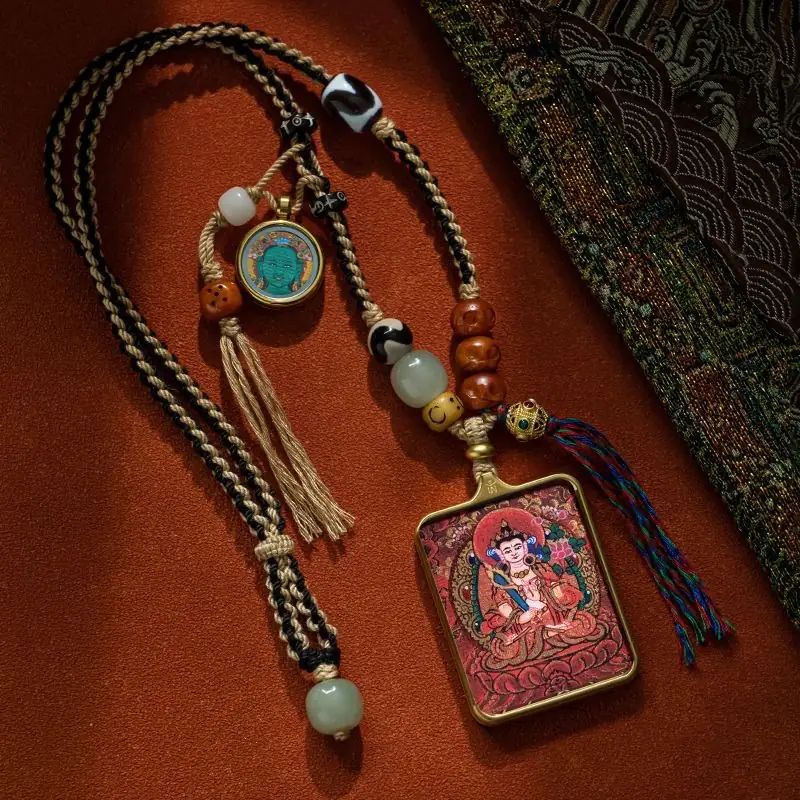
Two Respectful Ways to Choose Your Pendant
1. Choose by intention
Start with the quality you want to remember each day. Avalokitesvara is associated with compassion, Manjushri with wisdom, Amitabha Buddha with peace and devotion, Acala with steadiness, and Vairocana with clarity. This approach is useful when you are choosing a pendant for meditation, daily wear, or a thoughtful gift.
2. Choose by Chinese zodiac guardian deity
Many shoppers choose a Buddhist pendant through the Chinese zodiac guardian deity system. In this tradition, each zodiac animal is connected with one of eight guardian Buddhas or Bodhisattvas. The connection is symbolic and devotional rather than a guaranteed result.
Chinese Zodiac Guardian Deity Guide
| Chinese Zodiac | Guardian Deity | Birth Years |
|---|---|---|
| Rat | Thousand-Armed Avalokitesvara / Guanyin | 1924, 1936, 1948, 1960, 1972, 1984, 1996, 2008, 2020, 2032 |
| Ox, Tiger | Akasagarbha Bodhisattva | Ox: 1925, 1937, 1949, 1961, 1973, 1985, 1997, 2009, 2021, 2033; Tiger: 1926, 1938, 1950, 1962, 1974, 1986, 1998, 2010, 2022, 2034 |
| Rabbit | Manjushri Bodhisattva | 1927, 1939, 1951, 1963, 1975, 1987, 1999, 2011, 2023, 2035 |
| Dragon, Snake | Samantabhadra Bodhisattva | Dragon: 1928, 1940, 1952, 1964, 1976, 1988, 2000, 2012, 2024, 2036; Snake: 1929, 1941, 1953, 1965, 1977, 1989, 2001, 2013, 2025, 2037 |
| Horse | Mahasthamaprapta Bodhisattva | 1930, 1942, 1954, 1966, 1978, 1990, 2002, 2014, 2026, 2038 |
| Goat, Monkey | Vairocana Buddha | Goat: 1931, 1943, 1955, 1967, 1979, 1991, 2003, 2015, 2027, 2039; Monkey: 1932, 1944, 1956, 1968, 1980, 1992, 2004, 2016, 2028, 2040 |
| Rooster | Acala / Fudo Myo-o | 1933, 1945, 1957, 1969, 1981, 1993, 2005, 2017, 2029 |
| Dog, Pig | Amitabha Buddha | Dog: 1934, 1946, 1958, 1970, 1982, 1994, 2006, 2018, 2030; Pig: 1935, 1947, 1959, 1971, 1983, 1995, 2007, 2019, 2031 |
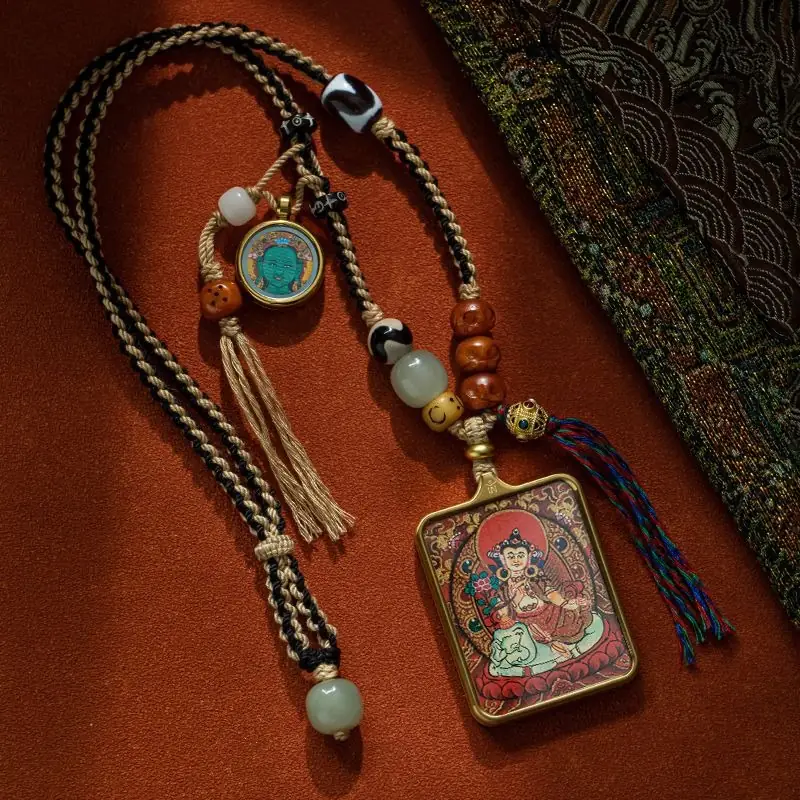
What Each Guardian Deity Represents
Thousand-Armed Avalokitesvara / Guanyin is associated with compassion and the wish to relieve suffering. A Guanyin pendant is often chosen by people who want a gentle reminder to act with patience and kindness.
Akasagarbha Bodhisattva is associated with vast wisdom, memory, and inner resources. It is often chosen by students, makers, business owners, or anyone entering an important decision period.
Manjushri Bodhisattva is associated with insight and clear understanding. A Manjushri pendant is a meaningful choice for study, writing, teaching, and thoughtful problem-solving.
Samantabhadra Bodhisattva is associated with vows, ethical action, and steady practice. It is often chosen by people who want to stay grounded in responsibility and good intention.
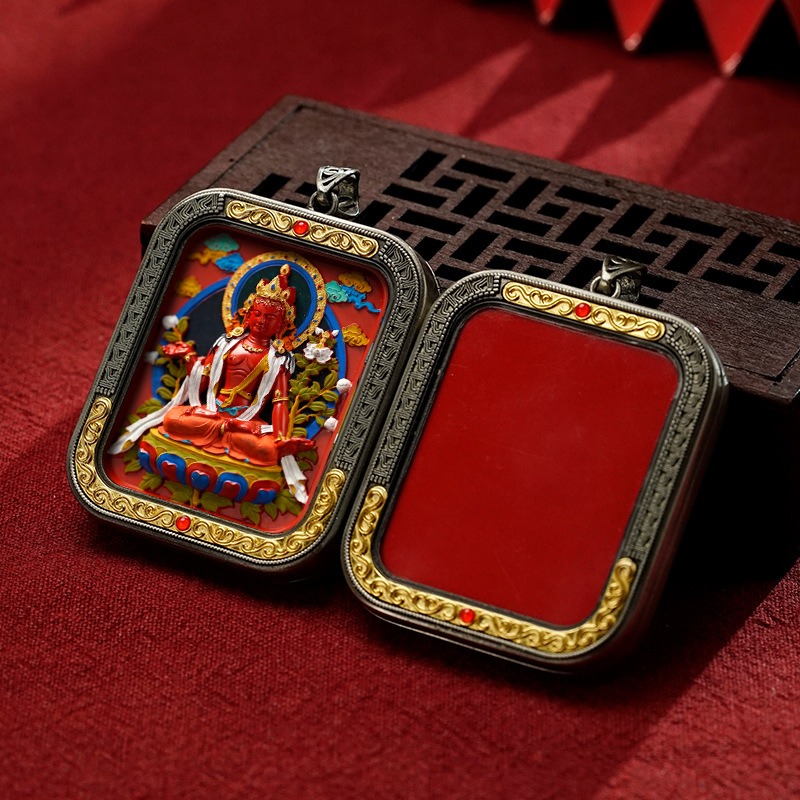
Mahasthamaprapta Bodhisattva is associated with wisdom, concentration, and the light of awareness. It can be worn as a reminder to return to clarity in daily life.
Vairocana Buddha is associated with luminous wisdom and the center of many Vajrayana mandala traditions. A Vairocana pendant is often chosen for clarity, practice, and spiritual learning.
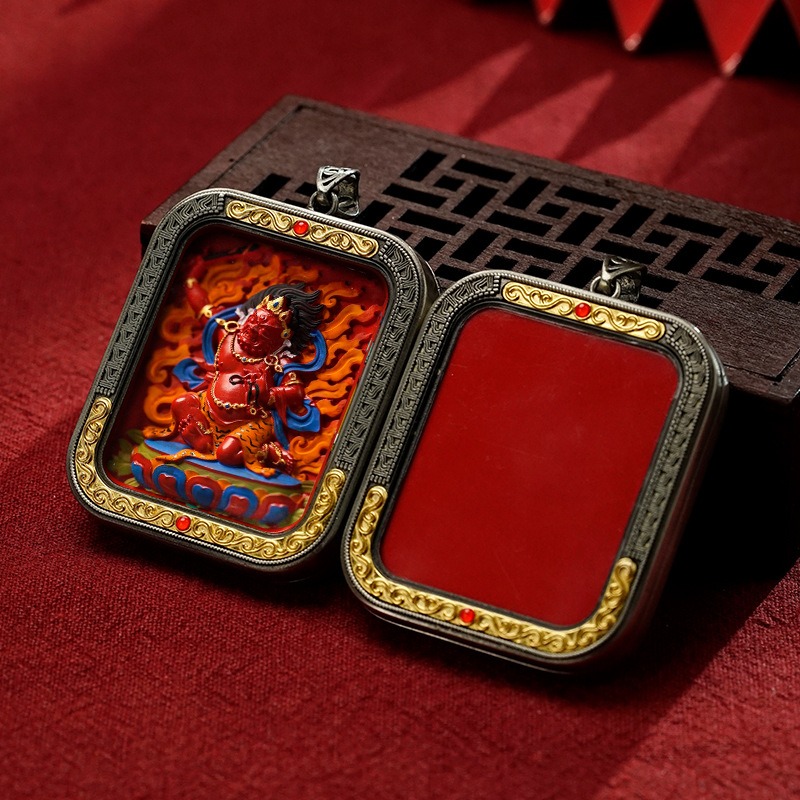
Acala / Fudo Myo-o is a wrathful protector figure associated with discipline, courage, and cutting through obstacles. The fierce image is not negative; it represents determined compassion and inner steadiness.
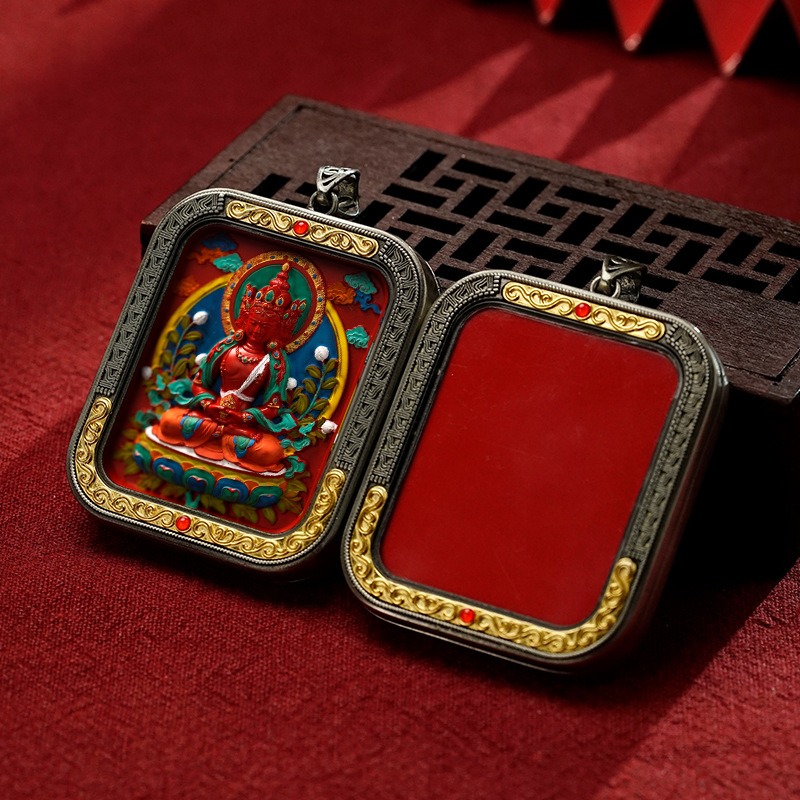
Amitabha Buddha is associated with boundless light, compassion, and Pure Land devotion. Many wearers choose Amitabha as a reminder of peace, faith, and care.
How to Choose Respectfully
- Read the meaning first. Choose a pendant only after you understand the image or deity it represents.
- Match the pendant to your daily life. Consider size, chain length, weight, material, and whether you will wear it every day.
- Respect sacred imagery. Avoid placing the pendant on the floor, wearing it in disrespectful settings, or treating the image as a casual trend.
- Use careful expectations. A pendant can support mindfulness and intention, but it does not replace medical, religious, legal, or financial guidance.
Materials and Craft to Consider
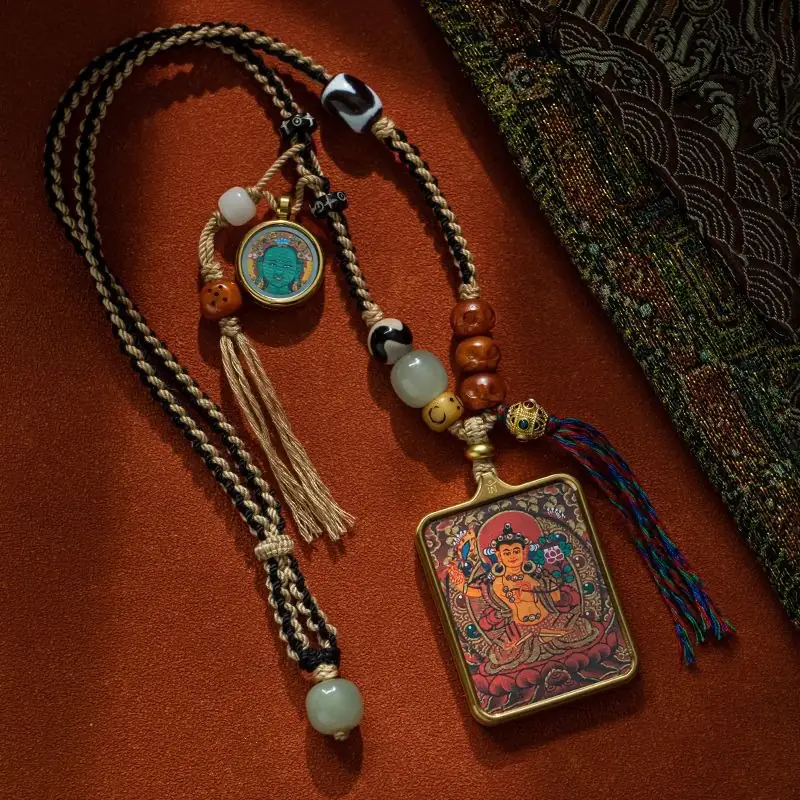
KyLin Aura Buddhist pendant necklaces may include thangka-style artwork, metal cases, natural stones, woven cords, or plated details. Handmade and natural materials can show small differences in color, texture, line work, or finish. These variations are part of the craft rather than defects.
For daily wear, remove the pendant before showering, swimming, sleeping, exercising, or applying perfume and skincare products. Store it in a dry pouch or jewelry box, especially if the pendant includes hand-painted details or textile elements.
FAQ
Can I wear a Buddhist pendant if I am not Buddhist?
Yes. Many people wear Buddhist pendants as cultural art, meditation reminders, or meaningful gifts. The important part is to wear the image with respect and avoid using sacred symbols in a careless or mocking way.
Does a guardian deity pendant guarantee protection or luck?
No. In KyLin Aura content, guardian deity pendants are described as traditional symbols and daily reminders. They do not guarantee protection, luck, wealth, or healing.
Should I choose by zodiac or by intuition?
Both approaches can be meaningful. Zodiac guidance gives a traditional starting point, while intuition helps you choose the image that feels personally steady, familiar, or inspiring.
Is a thangka pendant suitable as a gift?
Yes. A thangka pendant can be a thoughtful gift for birthdays, new beginnings, meditation practice, or encouragement. Include a short note explaining the meaning of the image and your intention behind the gift.
How should I care for a Buddhist pendant necklace?
Keep it dry, avoid chemicals and heavy friction, and store it separately. If it includes hand-painted or sealed artwork, do not soak it or clean it with alcohol, wet wipes, or harsh cleaners.
Explore related pieces: Browse KyLin Aura thangka pendants, Tibetan-inspired jewelry, and spiritual gifts to find a piece that matches your intention and daily practice.